
Does Your GFCI Outlet Keep Tripping? Here Are 10 Reasons Why
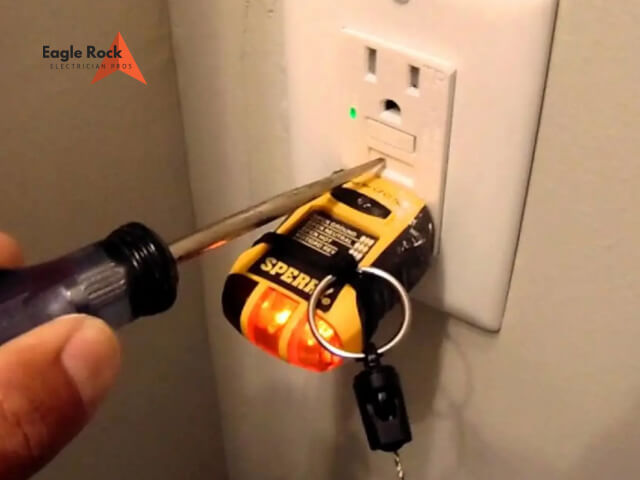
It all starts with an alarming pop before one of your appliances stops functioning or your lights start flickering as if something is not quite plugged in. You may be bewildered by what is happening because they are coming at you all at once. You fail to realize that it could be your outlet or your GFCI outlet that keeps tripping.
A ground fault circuit interrupter (GFCI) is a safety device that instantly cuts electricity to an outlet in the case of a ground fault. The National Electric Code (NEC) mandates GFCIs, sometimes known as GFIs, to be installed near wetness or moisture, typically in areas like the kitchen, bathroom, or basement. GFCIs are installed in your homes to defend against potential shocks, cutting off all power if it detects the smallest leak. The “tripping” outlet is actually a safety mechanism designed to avoid accidental electrical problems that might harm you.
Eagle Rock Electricians will dive deep into what causes a GFCI outlet to trip to let you know what could be happening behind the scenes. More than listing all possible reasons a GFCI outlet keeps tripping, we will also include a recommended solution to every problem to prevent issues from persisting and causing further damage to your electrical system.
Causes and Solutions When Your GFCI Outlet Is Tripping
If your GFCI outlet keeps tripping, you have every right to be alarmed. This means that something is not going right in your home that you do not know yet. Ironically, a GFCI outlet tripping should relieve you, too, because if it tripped, it just saved you from an electrical issue that may have put you in greater danger.
Read on to learn what led GFCIs to trip and how to fix a GFCI outlet that keeps tripping:
- Ground Fault
A GFCI outlet is far more delicate than the ones in your home’s main electrical panel. They are also unquestionably and considerably safer than the standard ones. However, tripping can happen when a ground fault is present is among the most frequent reasons for GFCIs trip.
If you’re unaware, currents that unintentionally travel to the earth can cause ground faults or when a hot wire makes contact with the ground. Currents leak through the ground wire when a ground fault occurs.
The GFCI receptacle’s job is to identify when currents flow through an unanticipated channel, either a body of water or a person. Even if a leakage of 0.005 amps is detected, the receptacle will still shut down. Any time there is a leak in the electrical current, a GFCI outlet will trip to protect your electronics.
- Moisture Behind the Outlets
Especially with outdoor receptacles and receptacles located near a bathroom, this is a prevalent issue. There will be a ground fault if moisture is allowed to accumulate in the power outlet box, as this will provide an alternate path for some of the circuit’s current.
A splash of water is the most common cause of moisture in an outlet box, and it is easy to spot. However, condensation can build up inside the outlet in humid places and trigger the safety mechanism. Any time your fingers come into contact with the outlet’s metal prongs, you can feel tingly if there is enough moisture in the air. An accumulation of moisture and wetness could be deadly if someone gets electrocuted.
Trips indicate that the GFCI is functioning properly. When there’s too much moisture, you need to unplug it and leave it alone for an hour or so before you can safely dry the plug and use it again. First, you need to put on all your safety gear, including rubber gloves and shoes, and wait until it’s entirely dry before attempting to tackle the problem.
- If the GFCI outlet is indoors, identify where the moisture comes from and dry it with a blow dryer in a low setting. Condensation and subsequent mold growth will do considerable damage to your home.
- If the GFCI outlet is outdoors, waterproofing and shielding from direct water splashes is the best way to avoid water contact.
If you don’t want to deal with the moisture in your outlets, we recommend calling an expert electrician to help.
- Conductive Dust and Debris
Power outlets are prone to collecting dust and dirt over time. A minor short circuit could be triggered by metal or conductive shavings in the dust, and the GFCI would trip. If your garage’s GFCI keeps going off, this is likely the problem.
Shut down the circuit for the outlet on your electrical panel, and then open the GFCI to remove the dust and lint. This will solve the issue and make your circuits more secure.
- Worn-Out Wiring
Your GFCI outlet may frequently be tripping due to a wiring issue. The issue could be with the GFCI outlet’s internal wiring, the load, or the powering circuitry, leading to trips.
If faulty electrical wiring is to blame, fixing the problem will be more involved and necessitate a trained electrician’s services.
- Wiring Insulation Damage
It’s also possible for the GFCI circuit to trip constantly, even when nothing is hooked into it due to damaged insulation in the wire. A GFCI will trip if there is a leak from a short circuit created by the exposed wires, but only if the leak is less than the threshold for a standard circuit breaker to trip.
If you want to keep using your GFCIs after a short circuit, you should have an electrician come and check your wiring for possible defects and replace it as necessary.
- Appliance Overload
Over time, appliances wired to GFCIs may cause the devices to trip. An increasing number of GFCI trips could signal that the appliance is getting old and has to work harder than it did when it was first installed. This is especially important for GFCIs installed in busy spaces like the kitchen, bathroom, or garage.
So what’s the fix? Please have one of our electricians set up a new GFCI circuit and replace any old, broken appliances.
- Overly Sensitive Outlet
It’s one thing for a human to be sensitive, but an extremely sensitive GFCI could cause false alarms and mysterious power outages. GFCIs can detect even the most minute changes in electrical current. There are motors whose current requirements fluctuate independently, which could trigger an alarm from the GFCI. Its sensitivity to moisture likely leads to a GFCI outlet tripping immediately during heavy rain or when there is a lot of humidity in the air.
For larger motors or appliances, one of our electricians may suggest and install a different GFCI. Ensure the GFCI has a weatherproof wire and a moisture-proof cover if used for an outside switch.
- Defective Load
When a load is plugged into a GFCI outlet, the outlet is vulnerable to faults in the load (if any). Sometimes, even one bad load can ruin an entire circuit. It poses a threat to all connected devices. The GFCI outlet will also self-trip if there is a short circuit in the load. That will prevent malfunctions and potential damage to the circuit and device. This safety feature is built into GFCI outlets and prevents further harm.
If a load is faulty, you must disconnect it first. The next step is to check for electrical issues, such as short circuits and current leaks. Keep the load disconnected until you identify the issue.
- Overloaded Circuit
There is a circuit overload when more devices than the circuit can handle are plugged into it, and it won’t be safe for use. A standard GFCI plug may withstand 15 to 20 amps of current. But when too much power is being drawn from an appliance or any electrical fixture that heavily uses electricity, the GFCI will trip.
Overloading a circuit can be caused by several factors, such as faulty appliances, corroded wires, and permanently installed electric motors.
Check whether the load is the source of the tripping problems by:
- Pull the plugs out of the wall and unplug the electronics.
- Try hitting the GFCI’s reset button and seeing if the alarm goes off again after a few minutes. If it doesn’t, the load is likely to blame, whereas tripping suggests additional problems.
- Reconnect the devices and see if the power goes out again. If the load is to blame for the tripping, take it down a notch.
- Bad GFCI
GFCIs do not have an indefinite lifespan. The outlet itself could be at fault in some situations where it trips. The GFCI circuit inside may be severely damaged from repeated use. Even though the durability of these outlets is improved over time, typical wear and tear will eventually occur.
After testing the possible problems and solutions above, your GFCI outlet tripped and won’t reset because it has reached its maximum life expectancy. Especially if the receptacle is older than its usual lifespan of 15 to 20 years, the only remedy is a replacement. Contact a certified electrician to safely do the work for you, following the NEC’s standards.
Unlike the circuit breakers in your home’s main electrical panel, a GFCI outlet is a far more delicate circuit breaker. They may be a safety device, but they can be annoying when they trip. Whether you do your own testing or employ an electrician, you must determine why your GFCI keeps tripping to keep your home safe and sound.
Get more information about your GFCI outlets and other electrical fixtures when you check out our other blog posts. Otherwise, call us directly for urgent concerns.