
10 Reasons Why Your Light Bulbs Burn Out Quickly
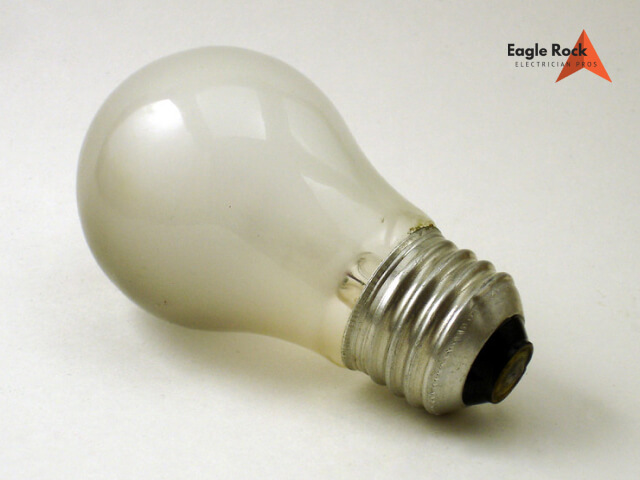
Light bulbs are an essential part of our daily lives. From illuminating a room to helping you see clearly when tackling a project, they are an indispensable source of light that is often taken for granted. Unfortunately, many homeowners constantly replace their light bulbs as they burn out quickly. There can be several culprits behind these frequent replacements, and it’s important to identify the cause to prevent it from happening again. Here are some of the most common reasons your light bulbs burn out too quickly.
- Bulb Type
The type of bulb you use can make a big difference in how long it lasts. Incandescent bulbs, for example, burn out much more quickly than LED bulbs and consume more energy. Therefore, if you’re looking to save money on replacements and energy costs, switching to an LED or CFL bulb is a good idea.
- Wattage
If your light bulb is burning out quicker than normal, you may be using the wrong wattage. If the wattage of your bulb is too low for the fixture, it can cause excessive heat, which in turn causes the filament to burn out faster. Conversely, using a bulb with too high of a wattage could put added stress on the connections and lead to premature failure.
- Voltage Fluctuations
If you live in an area that experiences frequent power outages or voltage fluctuations, this can cause your light bulbs to burn out at a faster rate. This is because the sudden changes in power could damage the filament and leave it unable to withstand normal usage.
- Age
Like all electronics, light bulbs have a limited lifespan; as they age, they become more prone to burning out. Typically, you can expect an LED bulb to last around 50,000 hours, while an incandescent one will only last 1,200-2,000 hours. Therefore, the older a bulb gets, the more likely it will fail unexpectedly.
- Short Circuit
Like voltage fluctuations, a short circuit can cause your light bulb to burn out faster than normal. If there is an overload on the circuit or faulty wiring, this can lead to excessive heat, which damages the filament and causes it to fail prematurely.
- Environmental Conditions
Extreme temperatures and humidity can cause the filament in your light bulb to break down more quickly than usual. Even being exposed to dust or other particulates can reduce the lifespan of a bulb, so it’s important to ensure that they are not left uncovered in an environment where they may be susceptible to these conditions.
- Improper Installation
If you’re not careful when installing a light bulb, it could lead to premature failure. For example, using too much force or over tightening the connections can cause the filament to burn out faster than normal. Therefore, always take care when installing and replacing light bulbs.
- Dimmer Switch Type
Using a dimmer switch with the wrong type of light bulb can cause it to burn out quickly. Some bulbs are incompatible with certain dimmers, and using them together can result in excessive heat, damaging the filament. Make sure you are using the right bulb and dimmer combination for the best results.
- Corrosion
If you live in an area with high levels of corrosion, this can cause your light bulb to fail more quickly. Corrosion occurs when oxygen and moisture interact with the metal connections inside the bulb, which can lead to a short circuit and eventual failure.
- Excessive Vibration
If you’re using a light bulb in a high-vibration environment, this could also cause it to burn out prematurely. The continuous vibrations can be hard on the filament and lead to breakage or other damage that could result in failure.
Why does a light bulb burn out? Identifying the cause of your light bulbs burning out quickly can save you time and money in the long run and help you avoid any potential hazards. Proper installation, regular maintenance, and choosing Eagle Rock Electricians can all go a long way toward prolonging your light bulb’s lifespan.
Signs You Need to Replace Your Light Bulbs That Burns Out Immediately
Light bulbs are essential for everyday life. Whether it’s for a task light in the kitchen, your living room lamp, or a nightlight for the hallway, lightbulbs are used to illuminate many areas of our homes. Unfortunately, these light bulbs burn out over time and eventually become less effective. Knowing when to replace your bulbs is essential to maintain the brightness of your home. Here are some signs that you need to replace your light bulbs.
- Dim Light: One of the most obvious signs that it’s time for a replacement is when the bulb starts to give off dimmer light than before. This indicates that the filament inside has started to wear down, and the bulb is not functioning as well as it used to.
- Flickering: Another sign that your light bulbs are burning out quickly is if they start to flicker or blink rapidly. This could be because of a loose connection or faulty wiring, but in any case, it’s important to replace the bulb so that your lighting isn’t affected.
- Buzzing Noise: You should also keep an ear out for any buzzing noises from the bulb. This could be a sign that the filament is worn out, or it might indicate a faulty connection in your wiring. In either case, you should replace the bulb to ensure that your home remains properly lit.
- Discoloration: If you notice the bulb has turned a yellowish or brown color, then it’s time to replace the bulb. This is because the filament has started to degrade and is no longer producing light as efficiently as before.
- Black Spot: Another sign you should look for is a light bulb that’s burned out and smoked. This could be an indicator of a short circuit, and if left unchecked, it can cause your lights to flicker or even go out altogether. It’s important to replace the bulb as soon as possible.
- Bulb Has Reached Its Lifespan: You should replace the bulb if it has already reached its rated lifespan. Most bulbs are designed to last for a certain number of hours, so once it surpasses this limit, it’s time to purchase a new one.
Light bulbs are an essential part of any home, and knowing when to replace them is important to keep your home properly lit. If you’ve noticed any of the signs mentioned above, it’s time for a replacement. Be sure to purchase one that fits with the wattage of the bulb you’re replacing so that you can enjoy bright lighting and prevent light bulbs burning out early.
How to Replace Light Bulbs
Replacing a light bulb does not have to be a difficult task. With the right tools and basic knowledge, changing a light bulb can be quick and painless. No matter if you are replacing incandescent bulbs with LED bulbs or just replacing a burned-out bulb, knowing how to replace light bulbs properly will help keep your home safe. This article provides step-by-step instructions on how to replace any light bulb safely.
Step 1: Gather Materials
Before you start, make sure that you have the right supplies to get the job done safely and quickly. For most projects, all you need is a ladder or step stool, gloves to protect your hands, and the correct light bulbs for your fixture. If working with a high-voltage installation, such as a ceiling fan or outdoor lighting, turn off the power at the circuit breaker before handling the fixture.
Step 2: Remove the Old Bulb
After you have gathered your supplies and turned off any necessary electricity, it is time to remove the old bulb. Wear gloves to protect your hands from any hot glass or exposed wiring. The type of bulb you are replacing will determine how it is removed from the fixture. Often, bulbs can be unscrewed simply by turning them counterclockwise. If the bulb is not easily unscrewed, consult your fixture’s manufacturer manual for instructions on safely removing it.
Step 3: Install the New Bulb
Once you have removed the old bulb, carefully install the new one. Make sure that the base of the bulb is properly lined up with the socket and that the wattage of the new bulb is appropriate for your fixture. When you are done, screw in the new bulb until it is securely fastened.
Step 4: Turn On The Power
Once you have installed your new bulb, it’s time to turn on the power so you can test it out. Make sure to stand back and observe the bulb for any signs of flickering or overheating; if you notice either, turn off the power immediately and contact a professional electrician.
Step 5: Hire An Expert
If you’re not comfortable doing the grunt work, hiring an electrician to install the new bulbs is highly recommended. They have the right skills and licenses to ensure a proper and safe installation. This also gives you peace of mind that your home’s lighting will no longer be a problem.
Replacing a light bulbs burn out immediately can be simple with the right supplies and information. Following these steps will help ensure your safety and make your home a better place for you and your family. Invest in professional electrical services to guarantee quality work that will last.
To book a schedule with Eagle Rock Electricians, don’t hesitate to call or email us today. Learn more from our blogs and other related content by subscribing to us.